
Connect
Affiliate Program
Share what you already recommend, and earn on it.
We pay people who send us customers. This page sets out the affiliate rates, the rules and how to apply, so you can decide whether it is worth your time before you email us.
How the affiliate program works
You get a personal link. Anyone who buys through it inside 30 days earns you a commission, paid monthly once your balance passes 50 dollars.
Nothing about that is complicated by design. The link is yours. The 30 day window opens when somebody clicks it, so you still get credit when they go away to think about it. A balance under 50 dollars rolls into the following month rather than vanishing.
What you earn
- First order through your link: 15 percent. Any customer buying from us for the first time.
- Repeat orders: 10 percent. Later orders from customers you introduced. No second click needed.
- Your audience’s code: 10 percent off. A discount code you can hand out. It is their saving rather than your commission, and it sits on top of what you earn.
Commission is calculated on what the customer pays for the product, after any discount and before shipping and tax. Rates are the same for everyone in the program and we do not run private deals.
How tracking works, in plain terms
Your link is unique to you, so every click and every order that follows within 30 days is counted against your account. All of it appears on the monthly statement. Email us mid-month if you want a figure sooner.

Underneath, the link carries a code that identifies your account, and a click stores that code in the reader’s browser for the length of the window. Repeat orders are matched to the customer rather than to a fresh click, which is why nobody has to go back through your link to earn you the second rate. The limits are worth knowing too. A reader who clears their cookies, switches to another device or buys from somebody else’s link in the meantime will not show up on your statement, and there is no way for either of us to reconstruct that after the fact.
Who the affiliate program is for, and who it is not for
People who already talk about this category and have an audience that trusts them. Shops, reviewers, podcasters, and anyone running a community where this fits. You do not need huge numbers. You need real ones.
Smaller accounts often do better here than large ones, because a recommendation lands differently coming from someone who answers their own messages. Tell us what you publish and we will say honestly whether we think it will work.
Who it is not for, stated plainly so nobody wastes an afternoon:
- Anyone whose audience is not reliably 21 and over. Everything we sell is adults only, and our age verification rules apply to a customer who arrived through you exactly as they do to anyone else.
- Anyone who needs to say what the product does to make the post work. That is the one thing we cannot allow, and it is not negotiable for a bigger account.
- Anyone building a page of codes with no readers behind it. The program pays on orders, and a wall of coupons does not produce them.
- Anyone whose readers are mostly in Colorado, Michigan or Utah. We cannot ship to those three states at all, so the clicks will not convert.
- Anyone looking for a private rate. There is one rate card and this is it.
Worth knowing before you write a post: orders start at 200 dollars of product, shipping is a flat 50 dollars, so the smallest order anyone can place is 250 dollars. Paying in cryptocurrency takes 15 percent off the subtotal and Zelle is the other way to pay. Tell your audience that up front. A reader who finds out at checkout is a reader who does not come back.
What we give you
- Your link and your discount code, set up before you post anything.
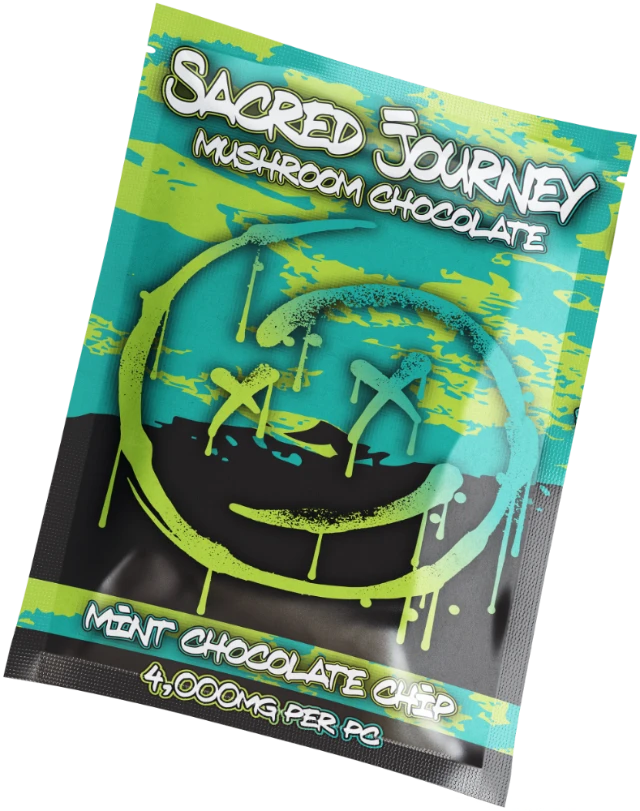
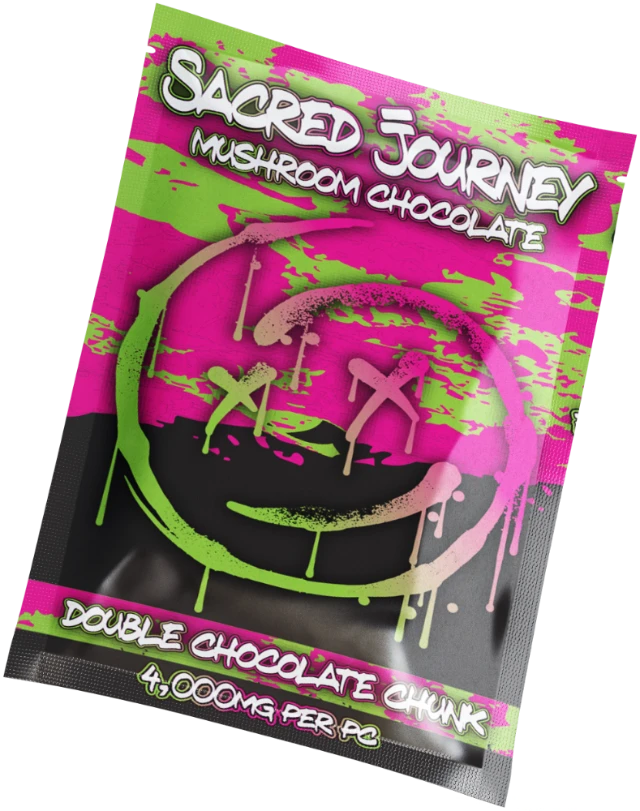
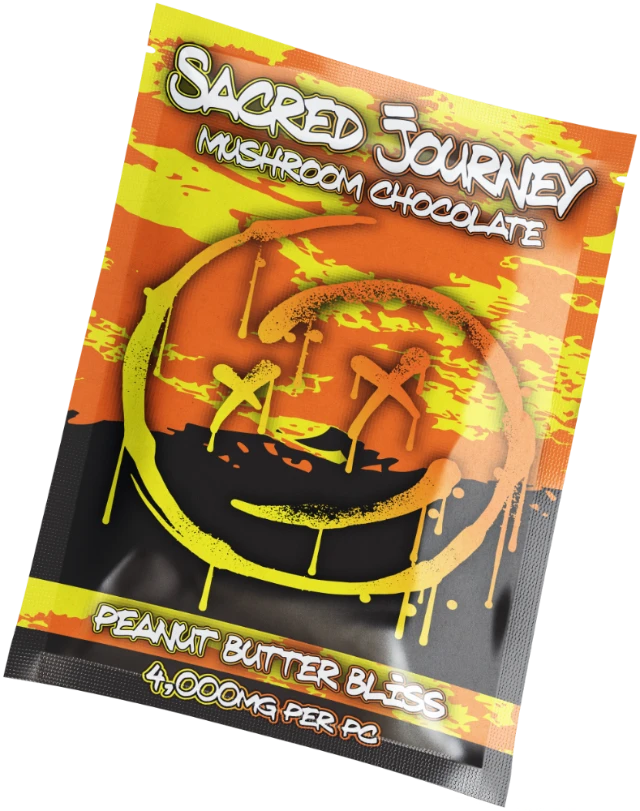
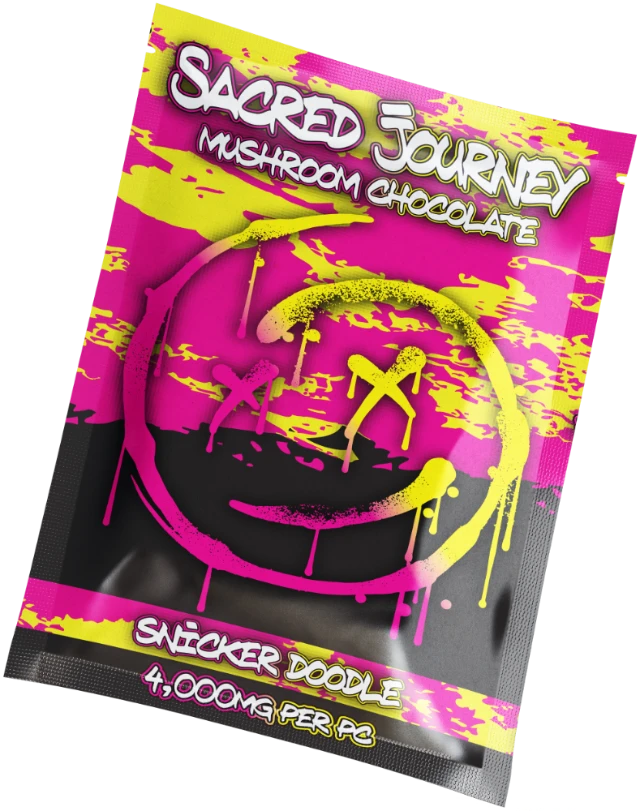
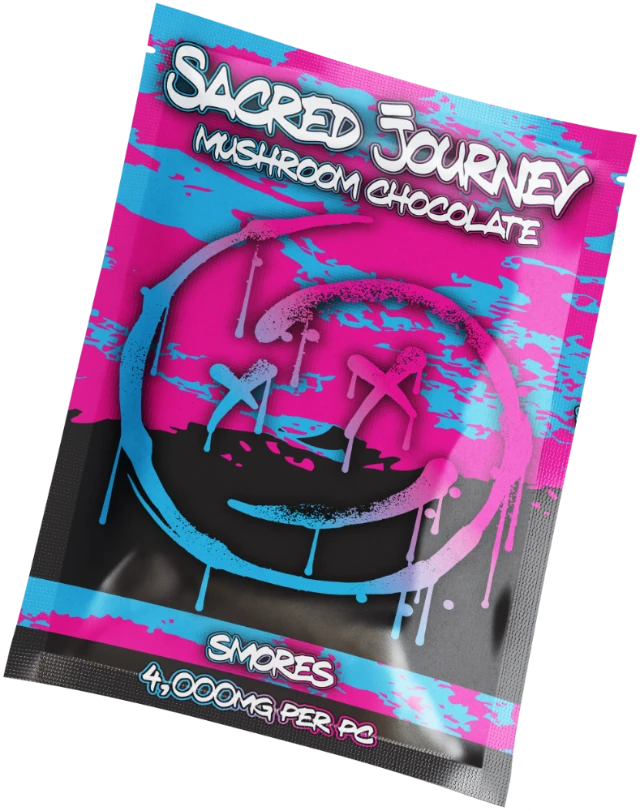
- Product photography and pack shots you can use as they are.
- Copy you can lift, already written to stay inside the rules below.
- A statement each month showing the orders that counted and what you are owed.
- One person to email who knows your account.
What an affiliate may and may not say
Do not bid on our brand name in paid search. Do not make medical claims, ever, and do not imply these products do anything they do not. Do not post our link anywhere that does not allow it. We will close an account that does any of these, and we will say why.
The simplest way to stay inside the line is to read our disclaimer and treat it as your brief. Anything we will not claim about these products, you cannot claim on our behalf either. That rules out treating, curing, preventing or relieving anything, and it rules out claims about sleep, focus, mood, anxiety, energy or performance. It also rules out calling anything of ours FDA approved, because no such approval exists, and stretching a lab report into a promise about how somebody will feel.
What you can talk about is everything that is actually true: the taste, the texture, the format, how a bar is scored into portions, that every batch is tested by an independent laboratory before release, that packaging arrives plain, and how you use it yourself. That is more than enough material for a good post, and it is the half of the story most of this category skips.
Paid ads are allowed with limits. You may not bid on our brand name or close variants of it, and the ad copy follows the same rules as everything else, which means no claims about what the product does. Ad platforms have their own restrictions on this category, and keeping to them is your job.
The disclosure you have to make
Disclosure is the other thing we insist on. Tell your audience you earn a commission, in plain words, near the link rather than buried at the end of a bio. It is the law in most places and it protects you either way.
In practice, on a social post, that means a line inside the post itself, before or beside the link, in words anybody would understand. “I earn a commission if you buy through this” does the job.
A tag dropped at the end of a long caption, a note in your bio, or a disclosure that only appears when somebody taps to expand the text does not, because United States rules ask for it to be hard to miss rather than technically present. On video, say it out loud and put it on screen as well. An affiliate post nobody can read the disclosure on is the one that causes trouble, so if you are unsure whether yours is clear enough, assume it is not and add the line.
Getting paid, and what voids a commission
Monthly, once your balance passes 50 dollars. We close the month, check the orders, and pay from the statement. Under 50 dollars, the balance carries forward. The statement always comes before the payment, so you can see what you are being paid for rather than taking a number on trust.
Then there is the other direction. These are the things that mean a commission does not stand:
- A refund. Commission on a refunded order comes off your balance, and a partial refund takes a proportional amount. We show every reversal on the statement, so you can always see why a number moved rather than guessing at it.
- Your own orders. The 10 percent code is for your audience. Orders you place yourself do not earn commission.
- Wholesale. Trade accounts have their own trade terms and sit outside this program.
- An order that never completes. One cancelled before it ships, declined at checkout for a restricted state, or stopped because we could not verify the buyer’s age, earns nothing, because nobody was charged in the end.
- Clicks you made yourself. Traffic generated to move a balance rather than to sell anything is the fastest way to lose an account.
If we do close an affiliate account, we will tell you why and tell you in writing where the balance stands. The full program conditions sit in our terms.
Tax paperwork for an affiliate, and how to apply
Commission is income and we are not your employer, so nothing is withheld before it reaches you. Expect to be asked for a completed Form W-9 before the first payout, which is simply so we hold a correct name, address and taxpayer identification number for an affiliate we are paying. Payments to a United States affiliate may then be reported to the Internal Revenue Service on Form 1099-NEC, and the agency sets out who that form covers and when it has to be filed on its page about Form 1099-NEC.
We are not tax advisers and this is not tax advice. If the numbers matter to you, ask somebody qualified, and keep your monthly statements, because they are the record of what you were paid and when.
Apply
Email support@mushroomjourneychocolatebars.com with where you publish and roughly who reads you. One message is enough to start. We read applications Mon to Fri, 9am to 5pm PT and answer in the order they arrive.
Worth a look before you write: the range, the published lab reports, and what we do and do not claim on sustainability.
