
Our Standard
Sustainability
What we have actually changed, and what we are still working on.
This sustainability page covers how we package, where our material comes from, how we ship, and what we have not fixed yet. It is short on badges because we have not earned any. If you want the testing side of the story, that lives on the lab reports page.
What this sustainability page is not claiming
We are not carbon neutral and we are not going to say we are. No offsets, no tree planting, no scheme that would let us print a reassuring logo on the carton. There is no organic certification behind our ingredients either, so you will not see that word used as a credential anywhere on this site.
Percentages are the other thing missing here on purpose. Most brands in this category publish a tidy figure for recycled content. Ours would be an estimate, and an estimate dressed up as data is worse than saying nothing. When we measure something properly, the number and the method will go on this page together.
That is the whole test we apply to a sustainability claim before it goes up: could we show our working if somebody asked. A sentence that survives that is worth reading. A badge that does not is decoration, and this page would rather be thin than decorative.
Pack size against product size
The rule we work to is that the box is picked for the order rather than the order packed to fill a box. A couple of bars go out in something a couple of bars fit in. A mixed order needs more room because the shapes do not stack, so it gets more room and no more than that. Nobody here is paid to ship air. Pack size is the one sustainability decision in this business that costs nothing, needs no certificate behind it, and shows up in the parcel you actually open.
What the outer box is: plain corrugated card, sealed with paper tape rather than plastic, with nothing on the outside naming what is inside. Outer boxes and void fill are recyclable, and because the tape is paper the box can go straight into recycling without anyone having to peel it apart first.
What the outer box is not: compostable, certified by anybody, or carrying a recycled-content figure we can stand behind. It is an ordinary box doing an ordinary job, and the only thing we have changed about it is the tape and the amount of space inside.
One honest exception. In hot weather we add insulation to keep chocolate from arriving as a puddle, and that is more packaging rather than less. We are not going to dress that up. A melted order that gets replaced is the worse outcome on every count, so the insulation stays in July.
What is not in the box
Nothing ships with an order unless it protects the product or tells you something useful. No promotional inserts, no tissue paper, no decorative filler, no foam. Protective material is paper and goes in the same recycling stream as the box.
One parcel instead of three
Orders go out consolidated wherever we can manage it, so one parcel leaves instead of three. A repeat order placed while an earlier one is still being packed gets merged into the same parcel where the timing allows. If you would rather have items split, say so and we will arrange it.
Why there is a wrap inside at all
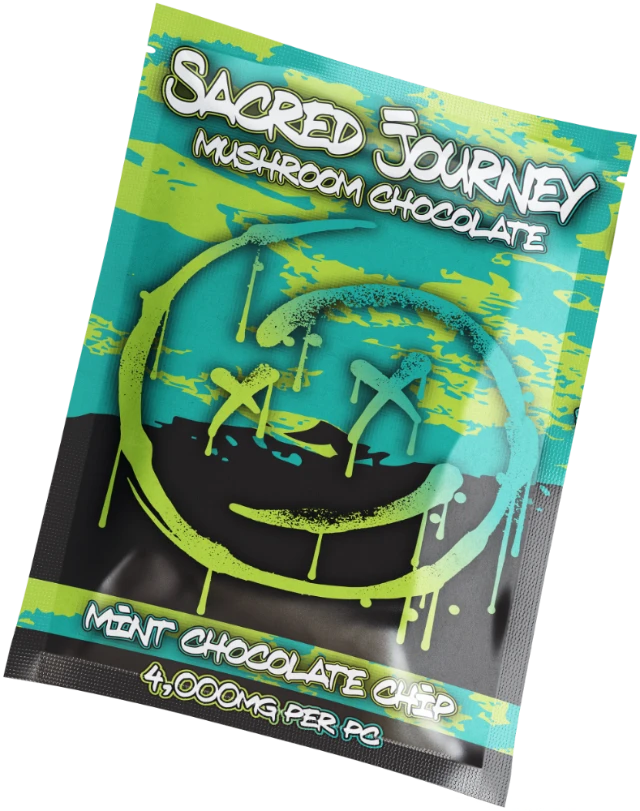
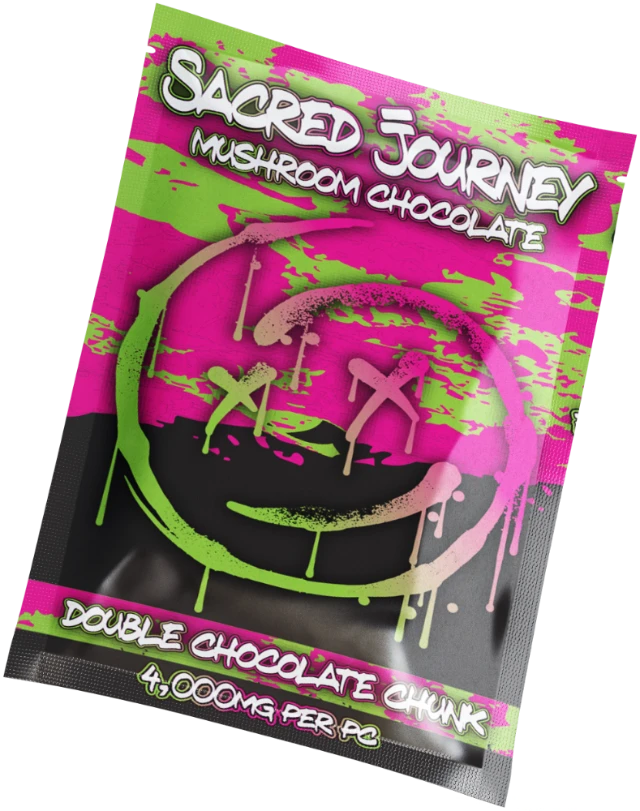
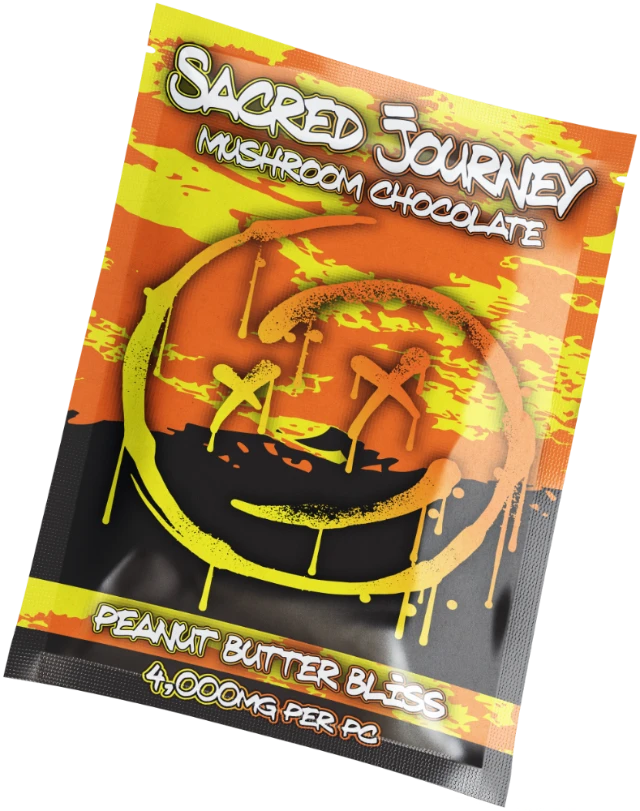
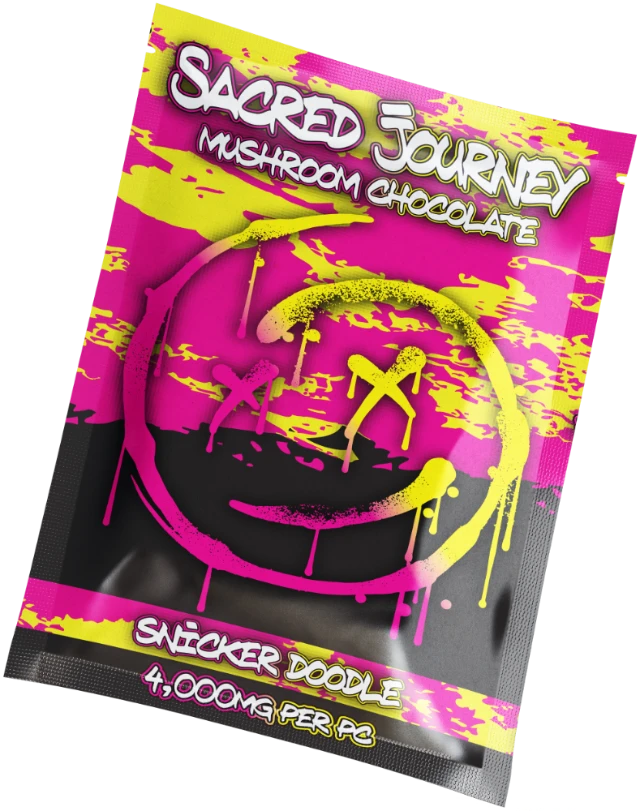
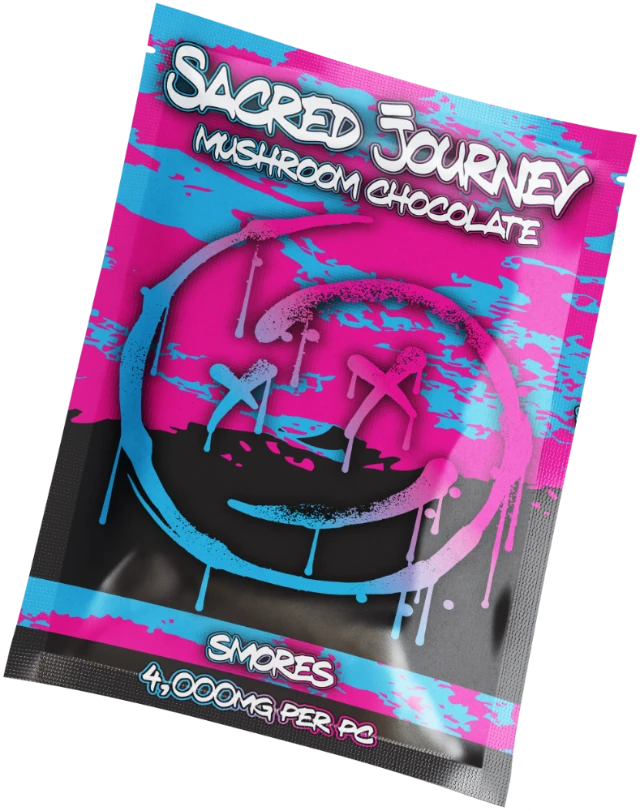
Our pouches are not recyclable yet, which is the honest answer. They are a multi-layer film, because that is what holds a seal on a chocolate product through a warm week in a delivery van. We are testing alternatives and we will switch to the first one that performs as well. Until that happens the pouch goes in the bin.
It is worth saying why the wrap exists rather than just apologizing for it. This is food. The seal is what keeps a bar away from air, moisture, warmth and whatever else is in the parcel with it, and it is also what tells you nobody has opened the pack before you did. A split seal on a chocolate product is not a cosmetic problem, it is a food safety one, and it is the reason we will not swap in a weaker material to make this section of the sustainability page read better.
Paper would be the easy answer and we have not found one that holds. When we do, the pouch changes and we will say so here on the day it changes rather than a season later.
Taking a pack apart for curbside recycling
Most of the sustainability gain left in a pack happens after it reaches you, and two minutes at the bin does more than anything we could print on the carton. The parts separate cleanly because we kept the materials apart in the first place.
- The outer box. Flatten it and put it out with cardboard. The paper tape can stay on it.
- The paper void fill. Same stream as the box. No need to unfold anything.
- The pouch. Trash. It is a multi-layer film and no curbside program we know of takes it.
Rules differ from one town to the next, and the one that counts is yours rather than ours. The EPA keeps a plain guide to what curbside recycling does and does not take at epa.gov/recycle, including the point that a contaminated load can send a whole batch to landfill. If your program is fussy about anything above, follow it and not us.
Small batches, and material we can trace
Production runs are small and we make them against real demand instead of producing ahead and hoping. Less sits in a warehouse, less reaches its date unsold, and less gets thrown away. The trade-off is real. A line goes out of stock from time to time, and we would rather tell you to wait a week than build a pallet of something nobody buys.
Overproduction is the part of this business with the biggest waste attached to it, and it is the one piece of our sustainability record we would defend without qualification. Food that was made to sit in a warehouse until it expired should never have been made. The cost of that choice shows up as an out-of-stock message in the shop, which we would rather you saw than the alternative.
Where the material comes from
Cacao and fruiting bodies come from suppliers who will tell us where the material was grown and show us the paperwork that backs it up. If a supplier will not answer that question, we do not buy from them. We would rather reorder from a farm we can name than save a few points on material nobody can trace.
Ask about a specific product and we will tell you what region its material came from. Each pack carries a lot number, so that is a lookup rather than a guess. If we cannot answer to the level you are asking, we will say so instead of inventing a provenance story.
The people in the chain
Fair pay and safe conditions matter to us, and we ask about both before we place an order. Here is the limit of that promise. We are going on what suppliers tell us and on long relationships, not on an independent audit, because we have not commissioned one. If that changes we will name who did it and publish what they found.
Testing and traceability
Every batch is tested before it is released and every certificate is published. The lot number on your pack ties back to its own certificate, so you are not taking our word for what is inside.
One thing a lab report cannot do is tell you how a product will affect you. It reports what is in there and how much. Anybody in this industry who stretches a certificate of analysis into a promise about your mood, your focus or your health is selling you something other than chocolate. We do not do it.
The sustainability problems we have not solved
This is the section worth reading, and the one we would check first on somebody else’s site.
- A pouch that seals as well as the current film and can go in curbside recycling.
- A measured figure for how much of our packaging is recyclable, published with the method behind it.
- Inks and board stock. We are asking our printers what they can document, and we will report what comes back.
- Fewer part-shipments, by holding an order a day when the missing item is a day away.
- Freight. Our parcels travel the way everyone’s parcels travel, and we have no influence over how a carrier runs its fleet.
- Insulation. We know it is extra material and we do not have a better answer for a hot week yet.
There is a bigger one behind all of them. A small company buys what its suppliers already make, in the quantities it can afford, and that limits how much of this we can change on our own. Saying so is not an excuse, it is the size of the lever.
None of that is finished. We will update this page as each item moves, and we will leave the unflattering parts in. A sustainability page that only ever gains good news is a marketing page with a different title.
Ask us
If you have a question about a material, a supplier or a specific batch, email support@mushroomjourneychocolatebars.com and we will answer, Mon to Fri, 9am to 5pm PT. Retailers will find trade terms on the wholesale page, everyday questions are answered in the FAQ, and what we do and do not claim about the products themselves is on the disclaimer.
