
Why every batch gets tested, and how to read the certificate
Most brands in this category will not show you their lab work. We publish all of it. Here is what a certificate of analysis contains and how to check one in thirty seconds.
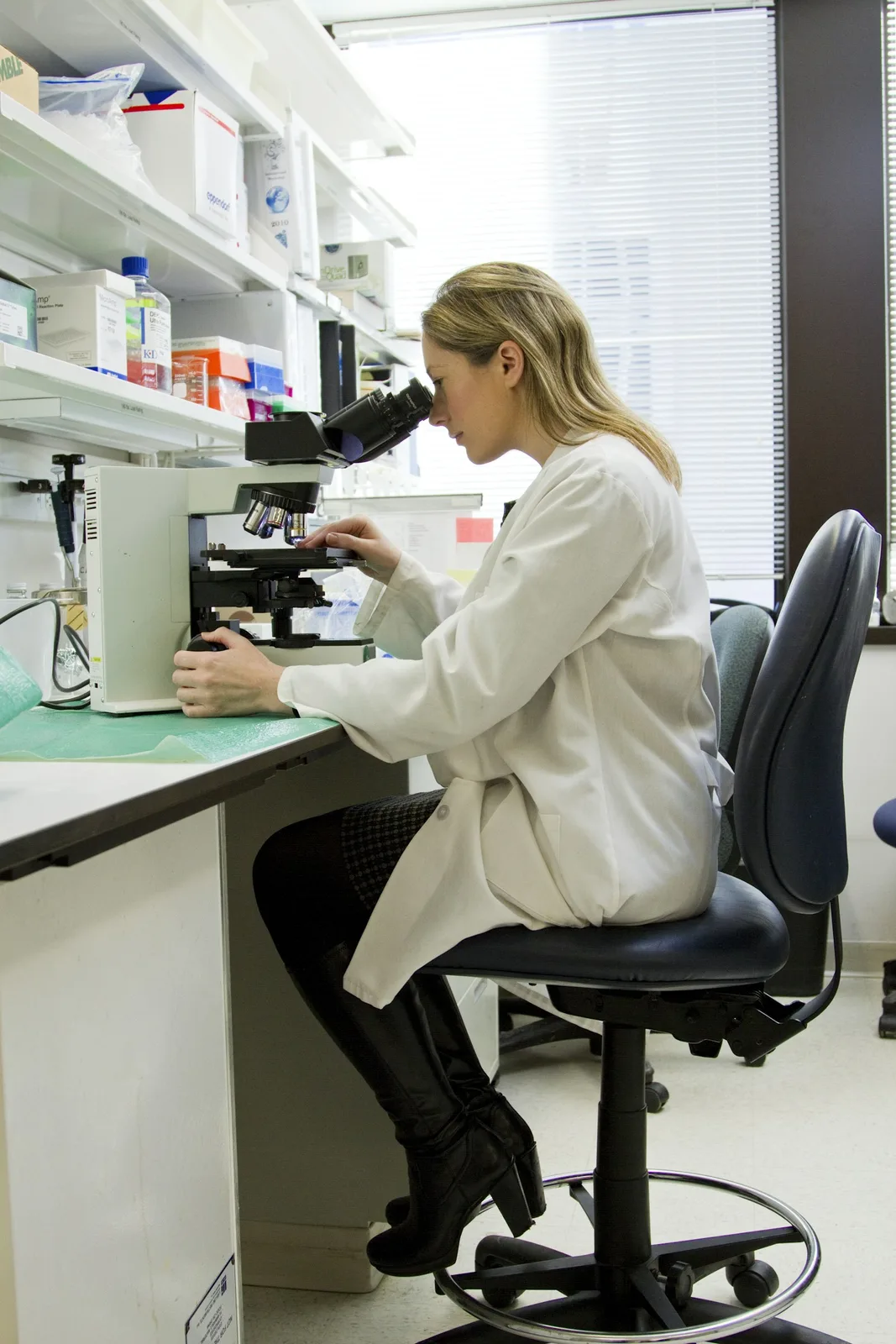
A mushroom lab report is the only way to check what is actually in a product, and most brands in this category do not publish theirs. A few will send a mushroom lab report if you email and ask twice. We put every one of them on the site, filed by batch, where anyone can read them without getting in touch at all.
This piece explains why that matters, what a certificate of analysis actually contains, and how to read one so you are checking rather than trusting.
The problem with an unregulated shelf
There is no agency checking that what a pack says is what a pack holds. Nobody is auditing the ingredient list on your behalf. In a market like that, the label is a claim, not a fact, and the gap between the two is where the bad actors live.
You will see it in packaging that names no mushroom at all, in QR codes that lead to a dead page, and in companies whose only contact route is a web form that goes nowhere. Those are not oversights. A business that wanted you to be able to check would have made it possible to check.
What third party testing actually means

Third party means a lab with no stake in the result. We send them a sample from the finished batch, they run it, and they issue a certificate with their name on it. We do not get to see a draft, negotiate a number or ask for a retest because we did not like the first one.
Testing our own product in our own building and publishing the result would be worth very little. The independence is the entire point.
What is on a mushroom lab report
A mushroom lab report looks intimidating and is not. There are five things worth finding.
- The batch or lot number. Match it to the number printed on your pack. A certificate for a different batch tells you nothing about the one in your hand.
- The date. Should be close to the date the batch was made. An old certificate attached to a new run is a red flag.
- The lab. A named independent laboratory with an address, not an internal department.
- What was tested for. Potency, and then the safety panel: heavy metals, pesticides, residual solvents, microbials.
- Pass or fail against a limit. Each line should carry a result and the threshold it is being measured against. A result on its own is a number with no meaning.
What the safety panel is looking for
The potency line gets the attention and the safety panel does the quiet work. Four groups of tests, each there for a reason.
- Heavy metals. Mushrooms draw up what is in their substrate, so the material has to be measured rather than assumed.
- Pesticides. The raw material came from somewhere. This is the line that says what came with it.
- Residual solvents. Extraction can leave traces behind, and the test exists to show whether any did.
- Microbials. This is food, and food is tested for the things food is tested for.
None of that is exotic. It is the ordinary panel any edible should pass, and a certificate that skips it is telling you which questions the brand would rather not answer.

The other half of the page is the limits column. A result of any kind means nothing until you can see the threshold it was measured against, which is why a bare list of numbers is not a certificate so much as a screenshot of one.
How to read a mushroom lab report in thirty seconds
Find the batch number on the back of your pack. Open the lab reports page and find the matching certificate. Check the date is in the right region. Check the safety panel says pass on every line. Check the potency figure matches what the pack claims.
If any of those four do not line up, write to us and say so. That is not a complaint, it is the system working.
A fair question: what happens when a batch fails? It does not ship. That is the only answer that means anything, and it is the answer a brand should be willing to give you before you ask.
A worked example, one pack and one certificate
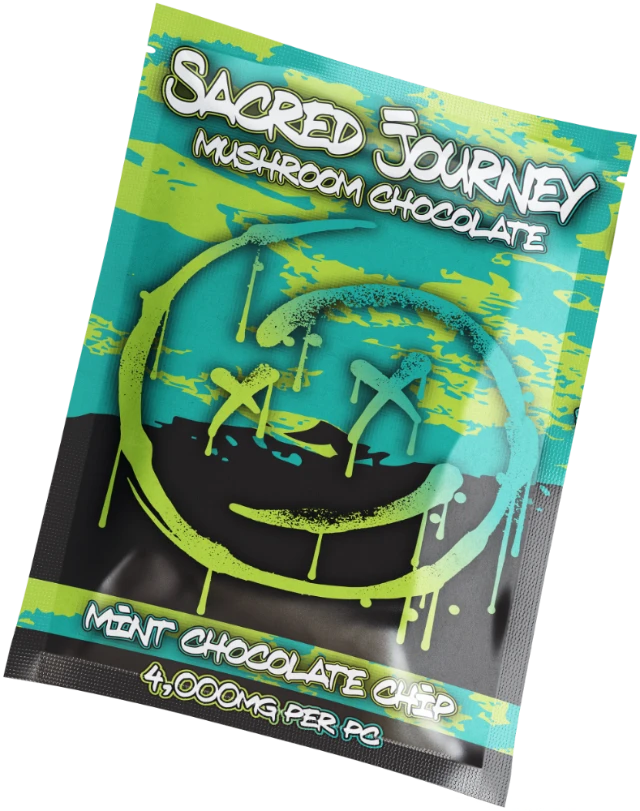
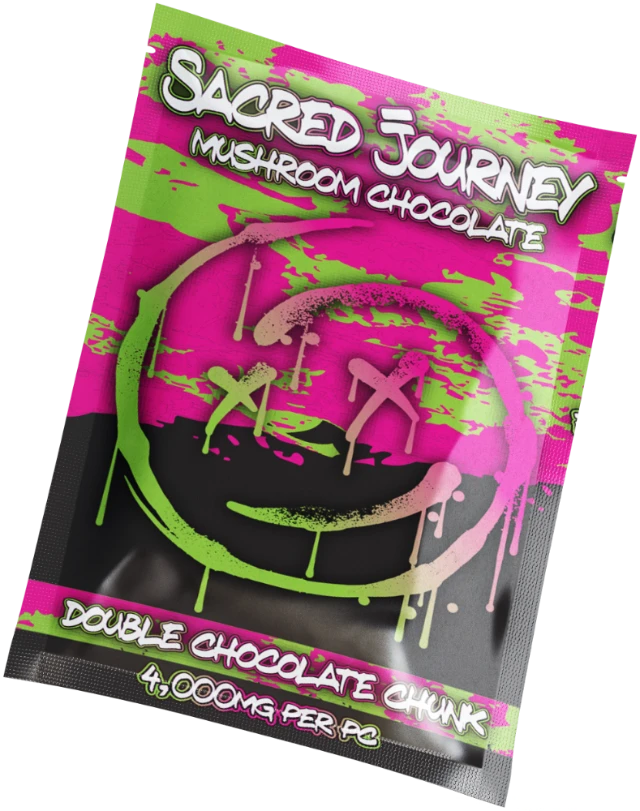
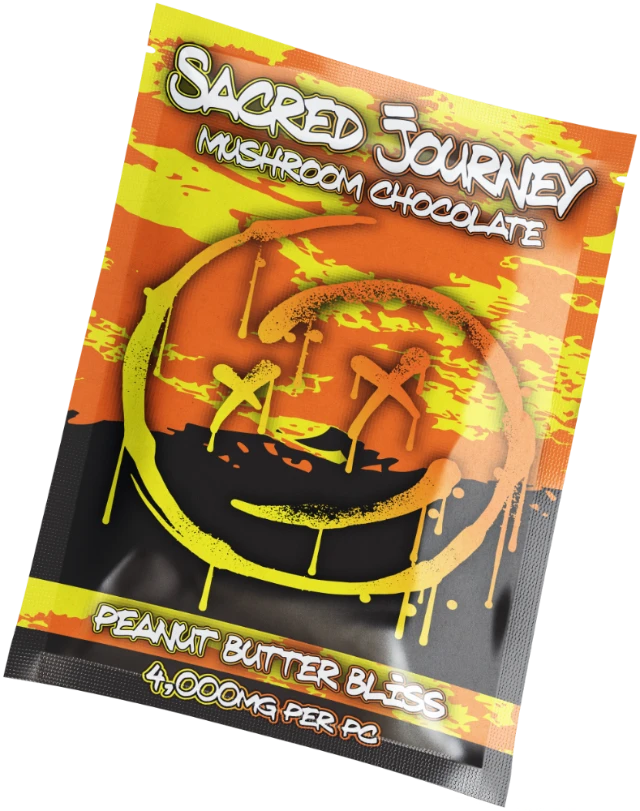
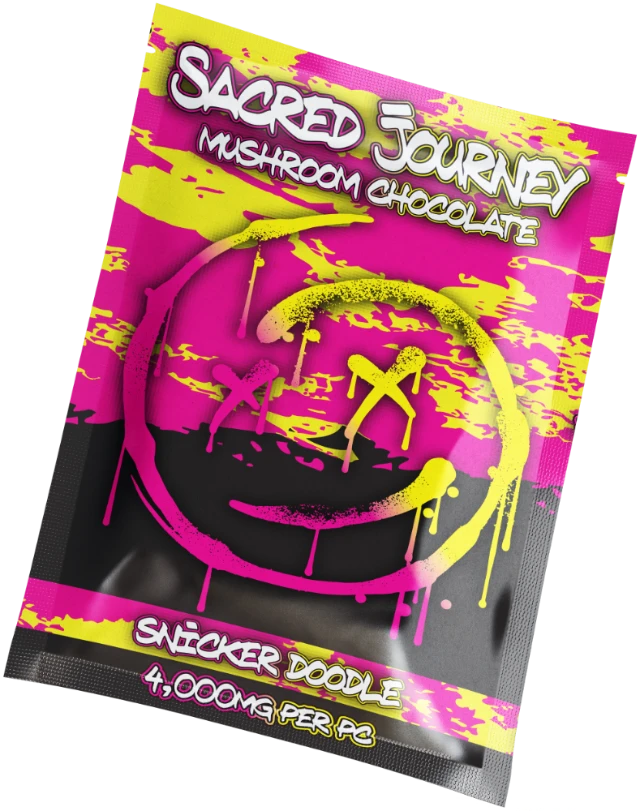
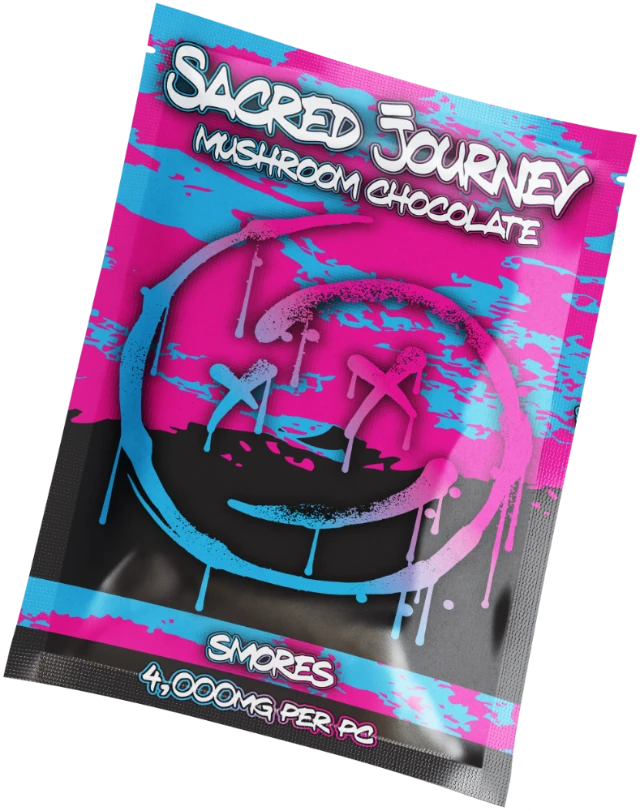
Say you have a pouch in front of you and a mushroom lab report open in a tab. The pouch says 4,000mg a piece and carries a lot number on the back. Start there, because everything else on the certificate is only about that lot.
Read the top of the certificate first. The lab’s name and address, the sample identifier, the date it was received and the date it was reported. Then put the lot number on the pack next to the one on the certificate and read them character by character. Batch numbers from the same month look alike.
Then work down the page. The potency figure should agree with the pack, not approximately but as the same claim. Every safety line should show a result, a limit and a verdict. If the panel is there, the limits are there and the lot number is yours, you have checked it.
What a weak certificate looks like
The weakest mushroom lab report is the one that reports potency and nothing else. It answers the question the brand wants asked and leaves out the groups that cost money to run. Three other patterns are worth knowing.
- No lot number anywhere. A certificate that cannot be tied to a pack is a document about nothing in particular.
- A date that does not fit. Months before the run existed, or long after it shipped.
What to do when the number does not match
Stop before you open anything. A mushroom lab report that disagrees with the pack is not automatically bad news, because the commonest cause is a certificate for the batch either side of yours, but it is a question that needs an answer first.
- Write it down. The lot number on the pack, the lot number on the certificate, and which lines disagree.
- Ask us, with those numbers. The contact page is the fastest route, and the numbers mean we can look it up rather than guess.
- Keep the pack. Sealed, somewhere cool and dark, until it is settled.
- Do not take anyone’s reassurance in place of the document. That includes ours.
Why a QR code is not the same as a published page
A QR code on a pack sends you wherever the pack’s owner points it, and it can be repointed after the pack has shipped. A published page has the opposite property. It has to carry every batch, including the ones nobody asked about.
That is the whole reason the certificates sit on one page rather than behind a code. You can look at the list and see how many batches are on it, which tells you something a single scan never will. If you want to know how the operation behind it works, the about page is the plainest version.
What we test for first
Every batch we release is confirmed free of Psilocybin, Psilocin, Psilacetin (4-ACO-DMT), 4-HO-MET and 4-HO-DET. That is the line that matters most in this category and it is the line we test for first, every single time.
The rest of it is the ordinary food safety work set out above, run on every batch. The gummies and the bars go to the same lab in the same way.
What we are not going to tell you
We are not going to tell you our products are organic certified, because they are not. We are not going to claim they do anything for your health, because that is not a claim we can evidence and it is not a claim anyone in this category should be making. If a brand’s marketing reads like a medical brochure, read the certificate instead of the brochure.
These statements have not been evaluated by the Food and Drug Administration. These products are not intended to diagnose, treat, cure or prevent any disease or medical condition.
The standard we think this industry needs
Published certificates for every batch, not a sample. Batch numbers on the pack that match the certificates. A real email address and a phone number that a person answers. An ingredient list with no proprietary blend hiding the ratios.

None of that is expensive or difficult. It is simply a decision about whether a customer is allowed to check, and most of the industry has made the other decision.
Questions we get
Why is my batch number not on the page yet?
A certificate goes up when the lab issues it, which is usually before the batch ships but occasionally a day or two after. Email us the lot number and we will send it directly.
Can a mushroom lab report be faked?
A PDF can be edited by anyone, which is why the lab’s name and contact details matter. A laboratory will confirm a report it issued if you ask it.
What does a failed result actually mean?
It means the batch is held and does not ship. There is no second answer to that question worth giving.
Do you test every batch or a sample of batches?
Every batch. Testing one run in five and publishing that one is a way of saying very little while sounding thorough.
Should I check every pack I buy?
Check the first one properly, so you know what a good certificate looks like. After that it is a habit, and the pack worth real attention is a batch you have not seen before.
What to read next
If this was your way into the subject, the piece on what goes into a gummy covers the pack in more detail and the first evening guide covers the practical side, both on the blog. The FAQ answers the shorter questions about ordering and storage.
Everything we hold is published on the lab reports page, and if a certificate you want is not there yet, email support@mushroomjourneychocolatebars.com and we will send it.
Keep reading
Science
Bars or gummies: picking the format that fits
The question we get more than any other, answered by someone who sells both. Onset is a draw. The real differences are portion control,…

Lifestyle
Sharing a bar: edibles at a gathering, done properly
Passing a bar round a table is not the same as handing someone a beer. What works, what to say before anyone eats anything,…

Lifestyle
Your first time: setting, dose and the clock
Almost everything that makes a first edible go badly is decided before anyone eats anything. Here is what to sort out beforehand, and the…
